Rainbow Daisy: The Art of Whimsical Typography in Modern Design
In a digital landscape saturated with uniformity, where sans-serif fonts dominate corporate branding and rigid grids dictate user interfaces, there is a growing hunger for something more human. Rainbow Daisy has emerged not merely as a typeface but as a response to this collective desire for connection. It is a script font that defies the sterile nature of modern web design, offering a burst of color and personality that feels both nostalgic and refreshingly contemporary. This beautifully crafted typeface brings a delightful touch of elegance and playfulness to any project, transforming standard text into an experience.
The relevance of Rainbow Daisy lies in its ability to bridge the gap between professional polish and personal warmth. For professionals, entrepreneurs, and creators aged 20 to 50, the challenge often involves communicating a brand's voice without sounding robotic. Whether you are designing invitations, greeting cards, posters, or digital art, the right typography can be the difference between a forgotten image and a memorable interaction. Rainbow Daisy provides that enchanting appeal, allowing designers to make their creations stand out by adding a layer of emotional resonance that technical precision alone cannot achieve.
The Evolution of Script Fonts in Contemporary Workflows
Typefaces do not exist in a vacuum; they evolve alongside cultural shifts and technological advancements. Historically, script fonts were the domain of formal stationery and high-end calligraphy, reserved for weddings and legal documents. However, the modern creative ecosystem has democratized these styles. Today, users expect brands to feel accessible, authentic, and approachable. This shift has paved the way for whimsical scripts like Rainbow Daisy to find a home in mainstream marketing and digital storytelling.
We are currently witnessing a trend toward "human-centric" design. Audiences are fatigued by hyper-polished, AI-generated perfection. They crave imperfection, texture, and the subtle evidence of a human hand. Introducing Rainbow Daisy into your workflow addresses this need directly. By integrating a font that mimics the fluid motion of handwriting but retains legibility, creators can inject a sense of authenticity into their work. This is particularly relevant for small business owners and freelancers who rely on personal connections to build their client base.
The evolution of this style is also driven by the rise of social media platforms where visual impact is paramount. In a feed dominated by static images and video loops, a poster or graphic featuring the colorful, flowing lines of Rainbow Daisy naturally draws the eye. It breaks the pattern of monotony. As users scroll faster and attention spans shorten, the ability to capture interest within seconds is crucial. A typeface that offers a burst of color and personality serves as a powerful hook, encouraging users to pause and engage with the content.
Bridging Professionalism and Playfulness
One of the most significant challenges for modern designers is balancing professionalism with creativity. Too much whimsy can undermine authority, while too much rigidity can alienate potential customers. Rainbow Daisy sits comfortably in the middle ground. Its structure ensures that the message remains clear, yet its execution invites joy. This balance makes it an ideal tool for educators creating engaging learning materials, bloggers looking to add character to their headers, and marketers crafting campaign visuals that need to resonate emotionally.
Consider the practical implications for a business owner launching a new product line. Using a standard font might convey stability, but it rarely conveys delight. By incorporating Rainbow Daisy into packaging labels, promotional emails, or website banners, the brand signals that it cares about the customer experience. It suggests that the people behind the brand have put thought and care into every detail. This perception of quality and attention is increasingly becoming a key differentiator in crowded markets.
Practical Applications Across Creative Industries
The versatility of this script font allows it to adapt to a wide array of use cases, making it a valuable asset in any designer's toolkit. Its application goes far beyond simple decoration; it plays a functional role in guiding the viewer's eye and setting the tone of the communication.
- Invitations and Event Planning: For weddings, birthday parties, or corporate galas, the first impression is set by the invitation. Rainbow Daisy adds a layer of sophistication and charm that elevates the perceived value of the event. It transforms a simple announcement into a keepsake.
- Greeting Cards and Personal Correspondence: In an era of instant messaging, physical cards hold special significance. A card designed with this font feels handwritten and heartfelt, bridging the distance between sender and recipient with warmth and sincerity.
- Posters and Print Media: When designing posters for local events, workshops, or art exhibitions, visibility is key. The unique curves and vibrant aesthetic of Rainbow Daisy ensure that the poster stands out against a backdrop of standard typography, drawing people in from a distance.
- Digital Art and Social Graphics: For influencers and content creators, maintaining a consistent yet dynamic visual identity is essential. Using Rainbow Daisy in Instagram stories, YouTube thumbnails, or blog headers helps establish a recognizable brand voice that feels friendly and approachable.
Furthermore, the font's flexibility extends to various mediums. Whether printed on textured paper for a tactile feel or rendered digitally on high-resolution screens, Rainbow Daisy maintains its integrity. This adaptability is crucial for professionals who manage multi-channel campaigns and need their visual assets to look cohesive across different platforms.
Integrating Color and Personality
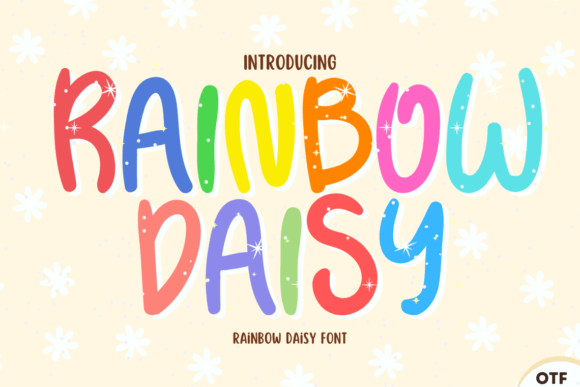
A defining characteristic of Rainbow Daisy is its inherent suggestion of color. While the font itself may be monochrome in many applications, its name and form evoke a spectrum of possibilities. Designers can leverage this by pairing the script with complementary colors to create a cohesive palette that reinforces the message. For instance, using soft pastels with the font creates a gentle, inviting atmosphere, while bold, saturated hues can generate energy and excitement.
This interplay between typography and color is a fundamental aspect of modern design theory. It allows creators to communicate emotions before a single word is read. When you watch your designs bloom with the help of Rainbow Daisy, you are essentially utilizing the psychological impact of visual cues to enhance user engagement. This is a strategic move that aligns with current market preferences for immersive and sensory-rich experiences.
Future-Proofing Your Creative Projects
As we look toward the future of design, the demand for unique, expressive typography is only expected to grow. With the proliferation of AI tools, generic templates are becoming easier to produce than ever. To remain competitive, creators must double down on elements that AI struggles to replicate authentically: genuine emotion, nuanced style, and human flair. Rainbow Daisy represents a step in this direction, offering a level of character that feels distinctly human.
For educators and hobbyists, adopting such tools fosters a deeper appreciation for the craft of design. It encourages experimentation and risk-taking, leading to more innovative outcomes. For businesses, it offers a pathway to differentiate themselves in a sea of sameness. By embracing fonts that bring a burst of color and personality, organizations can signal that they are forward-thinking and attuned to the evolving needs of their audience.
The journey of integrating Rainbow Daisy into your projects is one of discovery. It invites you to explore how typography can influence mood, behavior, and perception. Whether you are refining a logo, drafting a newsletter, or curating a gallery of digital art, the choice of font matters. It is the voice of your design, and choosing the right one can transform a good project into a great one.
In conclusion, the introduction of Rainbow Daisy marks a significant opportunity for designers and creators to elevate their work. It is not just about adding a pretty font; it is about infusing your projects with a spirit of joy and elegance. By understanding the trends, applying practical strategies, and embracing the unique qualities of this typeface, you can ensure that your designs do not just sit on a page but actively engage and inspire. Make your creations stand out with the enchanting appeal of Rainbow Daisy and watch your designs bloom into something truly special.